Introduction: The Silent Struggles of a Spiritual Woman
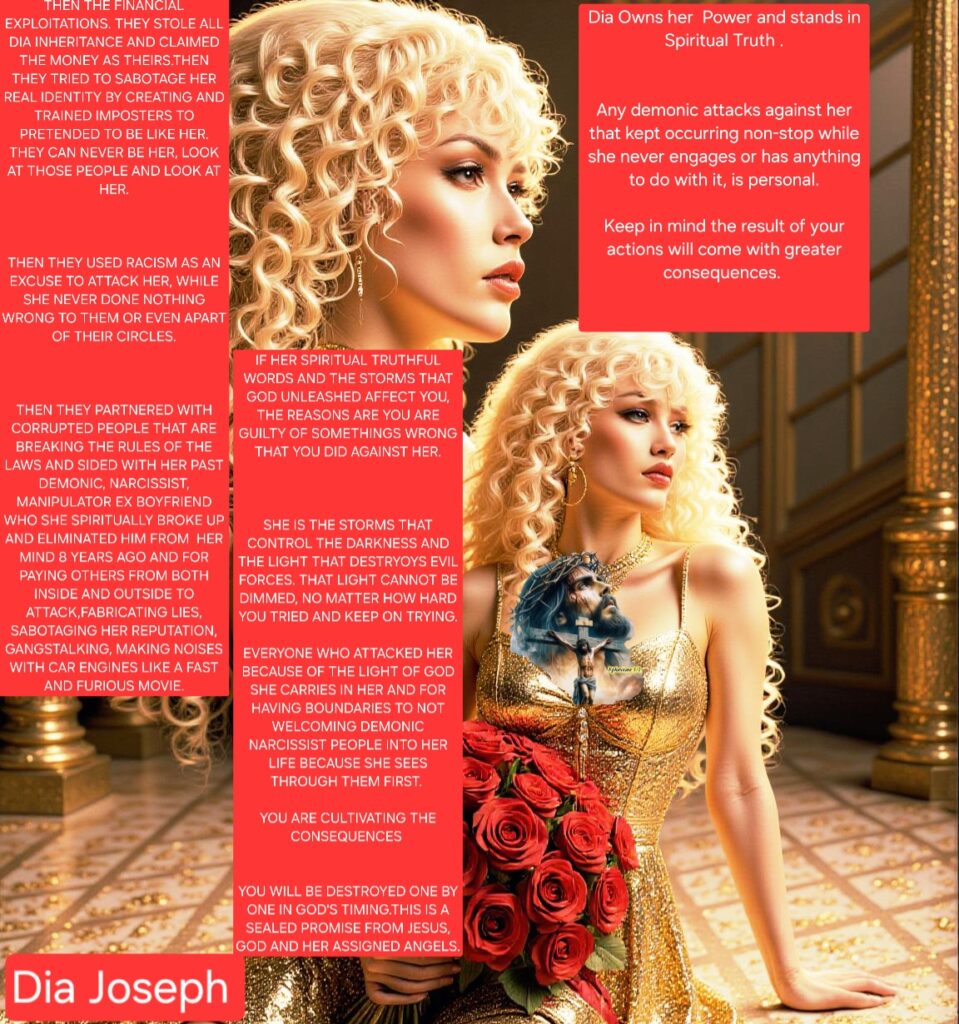
In many communities, individuals who walk a deeply spiritual path often find themselves misunderstood, isolated, or even unfairly judged. This is especially true for women like Dia Joseph—a figure who represents independence, self-awareness, and emotional resilience.
Despite not being actively involved in social circles or conflicts, some spiritual individuals report experiencing hostility, criticism, or exclusion. This raises an important question:
Why do some people react negatively to someone who simply chooses to live differently?
The Power of Presence: Why Authenticity Can Trigger Others
A spiritually grounded person often embodies:
- Emotional control
- Self-discipline
- Independence
- Strong personal boundaries
These traits, while admirable, can unintentionally challenge others. When someone lives with clarity and refuses to engage in negativity, it can:

- Highlight insecurities in others
- Expose unhealthy behaviors
- Disrupt toxic dynamics
This is not about “light vs darkness” in a literal sense—but rather self-awareness versus avoidance.
Perception vs Reality: Feeling Targeted Without Direct Interaction
One of the most confusing experiences is feeling targeted by people you’ve never interacted with.
This can happen due to:
- Gossip and misinformation
- Social assumptions
- Misinterpretation of silence as arrogance
- Projection of personal issues onto others
In many cases, people form opinions without ever knowing the full story.
Toxic Behaviors That Contribute to Social Conflict
Certain harmful patterns can escalate misunderstandings and create unnecessary tension:
1. Gossip and Rumor-Spreading
People may pass along information without verifying facts, creating false narratives.
2. Group Mentality
When individuals follow others without questioning, it can lead to unfair targeting.
3. Manipulation and Emotional Games
Some individuals may attempt to control situations through:
- False apologies
- Indirect communication
- Third-party involvement
4. Jealousy and Comparison
Seeing someone emotionally stable or independent can trigger insecurity.
The Importance of Boundaries and Disengagement
One of the most powerful tools a person can use is choosing not to engage.
Disengagement is not weakness—it’s strategy.
Healthy responses include:
- Avoiding unnecessary conflict
- Protecting your mental space
- Not reacting to provocation
- Walking away from toxic environments
You don’t need to fight every battle to win your peace.
Understanding Emotional Reactions in Others
Strong emotional reactions—such as anger, loud behavior, or constant criticism—often reflect internal struggles rather than external truth.
As the saying goes:
“The loudest person in the room is often the most insecure.”
Recognizing this helps shift focus away from conflict and toward clarity.
Personal Identity and Self-Definition
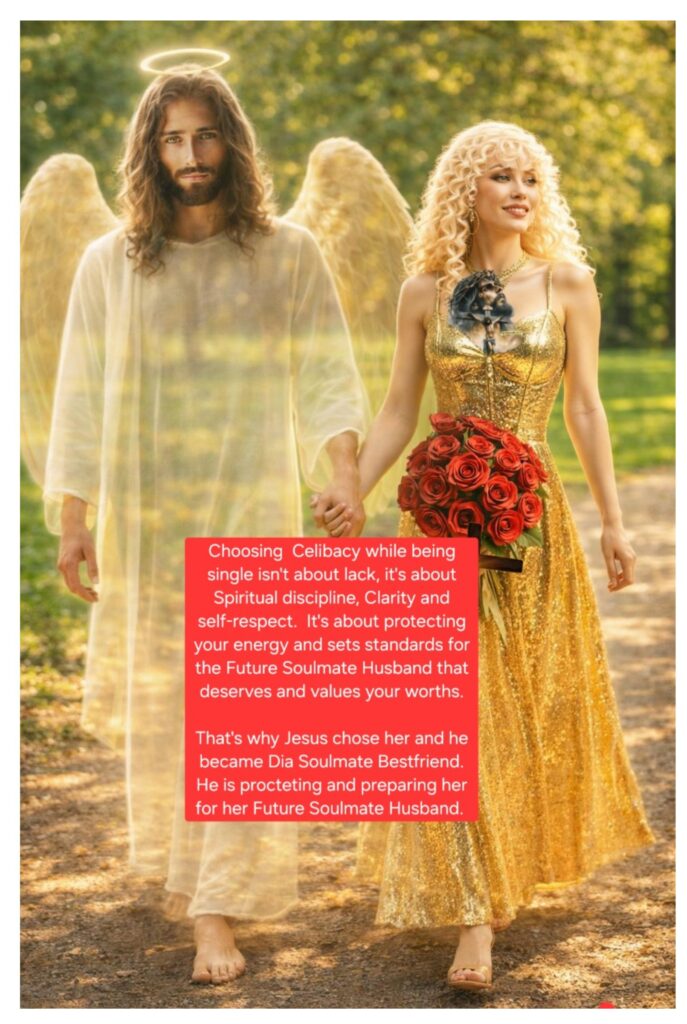
Dia Joseph is described as someone who:
- Values independence
- Maintains strict personal boundaries
- Chooses not to involve others in her personal life
Whether others understand her or not, self-definition is a personal right.
No one is obligated to:
- Explain themselves to everyone
- Accept every social invitation
- Participate in environments that feel unsafe or draining

Facing Conflict Without Losing Yourself
When dealing with hostility or misunderstanding, consider:
- Not every accusation requires a response
- Not every opinion deserves your attention
- Silence can be more powerful than reaction
Growth often involves choosing peace over proving a point.
Takeaway: Choose Awareness Over Reaction
This situation highlights a broader truth:
- Not everyone will understand your path
- Not everyone belongs in your life
- And not every conflict is yours to engage in
What matters most is:
- Staying grounded
- Acting with integrity
- Protecting your well-being