For decades, health science operated under a powerful assumption: if a disease existed in a person’s family history, developing that condition was often seen as almost inevitable. Disorders such as type 2 diabetes, hypertension, obesity, and cardiovascular disease were frequently described as the result of genetic destiny.
However, this perspective is rapidly evolving. A growing body of scientific research suggests that genetics alone does not determine our health outcomes. Instead, lifestyle and environmental factors may play a much larger role than previously believed.
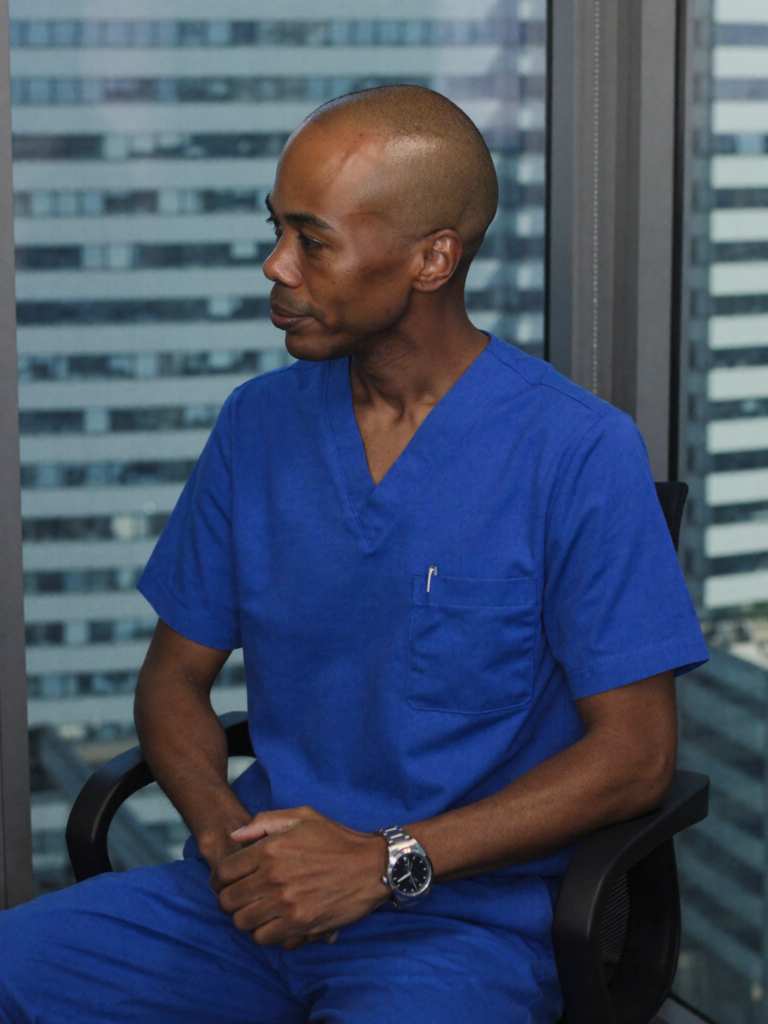
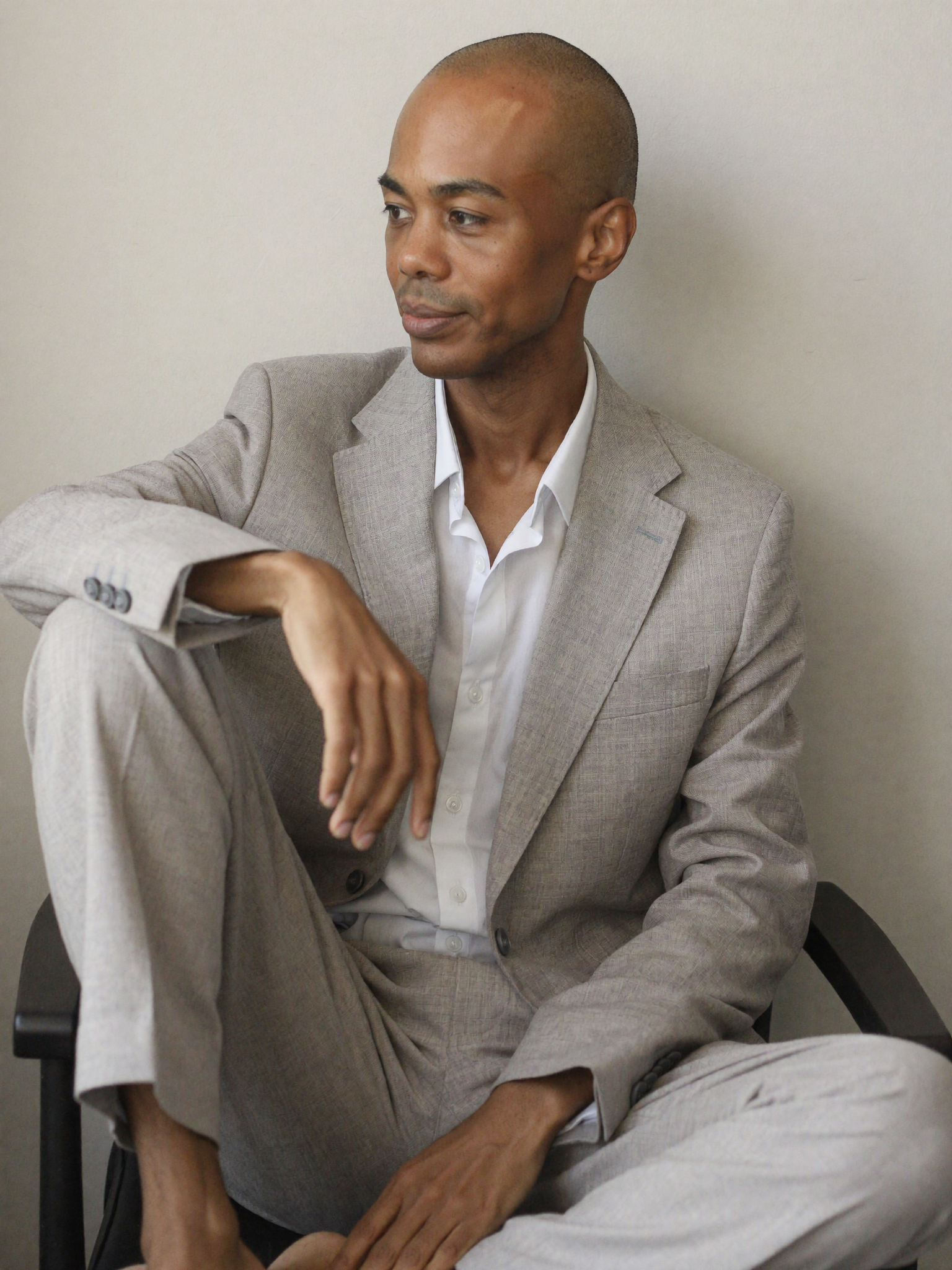
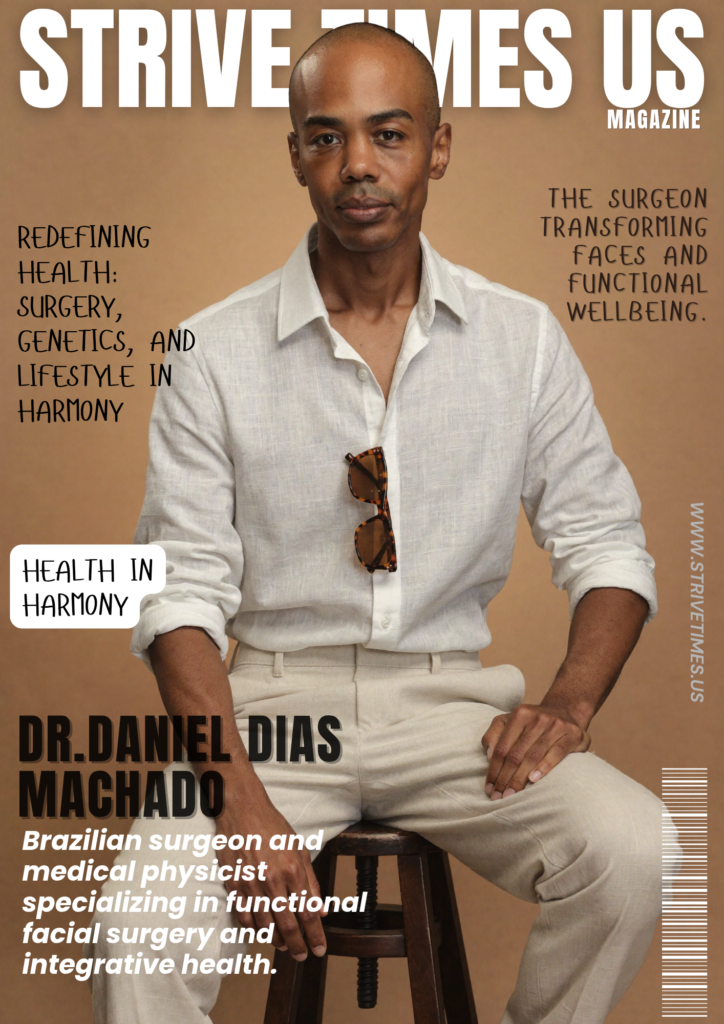
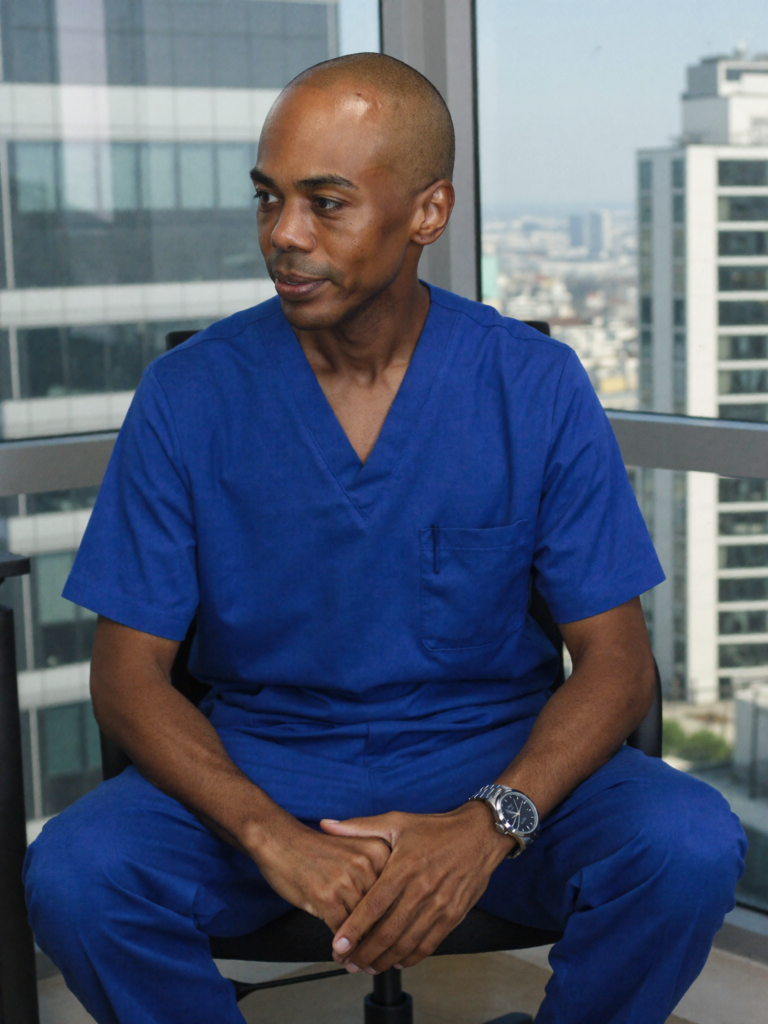
Among the professionals contributing to this shift in thinking is Dr. Daniel Dias Machado, a Brazilian oral and maxillofacial surgeon, medical physicist, and sedation specialist. His work connects multiple fields—including genetics, epigenetics, metabolism, and facial surgery—while offering an integrative perspective on modern health science.
By challenging traditional assumptions about hereditary disease and emphasizing the relationship between lifestyle and biological expression, Dr. Daniel Dias Machado is gaining attention for addressing two critical areas of contemporary health research: the influence of lifestyle on gene expression and a functional approach to orofacial aesthetic surgery.
Rethinking the Idea of Genetic Destiny
For many years, the prevailing belief in medicine was that genetic inheritance played the dominant role in determining whether a person would develop certain diseases. While genetics undeniably influence health, recent scientific studies indicate that they are only part of the equation.
Research published in leading journals such as Nature and Science suggests that only 5% to 10% of human diseases are caused directly by deterministic genetic mutations. The majority arise from complex interactions between genes and environmental influences.
This is where the field of epigenetics becomes particularly important.
Epigenetics studies how environmental factors can influence gene activity without altering the underlying DNA sequence. These influences can activate or silence certain genes throughout a person’s life, meaning that daily habits may significantly affect how genetic information is expressed.
According to Dr. Daniel Dias Machado, this scientific development represents a major transformation in our understanding of health.
“For a long time, we believed our genes determined our destiny. Today we know that lifestyle can directly influence how those genes are expressed,” he explains.
Several key lifestyle factors are known to influence gene regulation, including:
- Nutrition
- Sleep quality
- Physical activity
- Stress levels
- The body’s metabolic environment
These elements can modify cellular mechanisms that control gene expression, demonstrating that health outcomes are shaped by far more than inherited DNA alone.
Metabolic Health: A Central Focus of Modern Medicine
In recent years, metabolic health has emerged as one of the most significant topics in global health science. Disorders related to metabolic imbalance are becoming increasingly common worldwide.
According to the International Diabetes Federation, more than 537 million adults globally live with diabetes, while millions more experience insulin resistance without being formally diagnosed.
Additionally, scientific research indicates that nearly 40% of the global adult population may show signs of metabolic syndrome, a condition characterized by chronic inflammation, abdominal obesity, and increased cardiovascular risk.
For Dr. Daniel Dias Machado, understanding metabolic processes is fundamental to preventing many modern diseases.
“Metabolism is the central regulatory system of the human body. When metabolic balance is disrupted, multiple health conditions can begin to emerge,” he explains.
In his clinical practice, this perspective guides the evaluation of patients experiencing conditions such as:
- Insulin resistance
- Systemic inflammation
- Metabolic dysregulation
- Lifestyle-related chronic diseases
Rather than focusing solely on symptoms, the goal is to identify the biological mechanisms that contribute to the development of disease and address them at their root.
Facial Surgery Beyond Aesthetic Improvement
Another area where Dr. Daniel Dias Machado has gained recognition is in orofacial aesthetic surgery. While these procedures are often associated primarily with cosmetic improvement, modern research increasingly emphasizes their connection to overall health and physiological function.
The human face is a complex anatomical structure closely linked to several essential bodily functions, including:
- Breathing
- Chewing
- Cervical posture
- Facial communication
- Sleep quality
According to Dr. Machado, effective aesthetic planning must consider both appearance and biological function.
“True facial harmony occurs when structure and function are in balance,” he explains.
This approach reflects a broader trend in modern medicine: recognizing that structural anatomy and physiological health are deeply interconnected.
Facial Structure and the Impact on Breathing
One of the most important health conditions connected to facial anatomy is obstructive sleep apnea.
This disorder affects millions of individuals worldwide. Data from the American Academy of Sleep Medicine suggests that nearly one billion adults globally may suffer from some form of sleep apnea.
The condition occurs when the upper airway becomes partially or completely blocked during sleep, causing repeated interruptions in breathing. These interruptions can significantly affect both sleep quality and overall health.
Beyond excessive daytime fatigue, sleep apnea has been associated with numerous medical complications, including:
- Hypertension
- Hormonal imbalance
- Increased cardiovascular risk
- Insulin resistance
In many cases, the structure of the jaw and facial bones contributes to airway obstruction.
According to Dr. Daniel Dias Machado, a detailed evaluation of craniofacial anatomy can help identify these structural factors. When appropriate, surgical interventions may expand the airway and improve breathing during sleep, potentially reducing the severity of the condition.
A Multidisciplinary Scientific Background
A distinctive feature of Dr. Daniel Dias Machado’s work is his multidisciplinary educational background.
In addition to his degree in dentistry and specialization in oral and maxillofacial surgery, he also studied medical physics, a field that examines the physical principles underlying biological processes and medical technologies.
This combination allows him to integrate knowledge from several scientific disciplines, including:
- Cellular bioenergetics
- Metabolic regulation
- Systemic inflammation
- Craniofacial biomechanics
According to Dr. Machado, understanding the human body requires viewing it as an interconnected system rather than a collection of isolated parts.
“The body functions as an interconnected network. Metabolic changes can influence tissues, structures, and inflammatory processes throughout the organism,” he explains.
A New Perspective on Health in the 21st Century
Modern scientific research increasingly recognizes that health is shaped by a complex interaction between genetics, environment, and behavior. This realization has encouraged the development of more integrative and personalized approaches to medicine.
Within this evolving landscape, the work of Dr. Daniel Dias Machado reflects a growing movement in health science—one that integrates biological knowledge, structural anatomy, and lifestyle factors to better understand how the human organism functions.
By challenging the traditional concept of absolute genetic determinism and expanding the role of orofacial surgery within functional health, his perspective contributes to an important global conversation about the future of medicine.
As Dr. Machado emphasizes:
“The major transformation in health during the 21st century may lie in understanding that our daily habits have the power to influence how our own biology is expressed.”